 EN

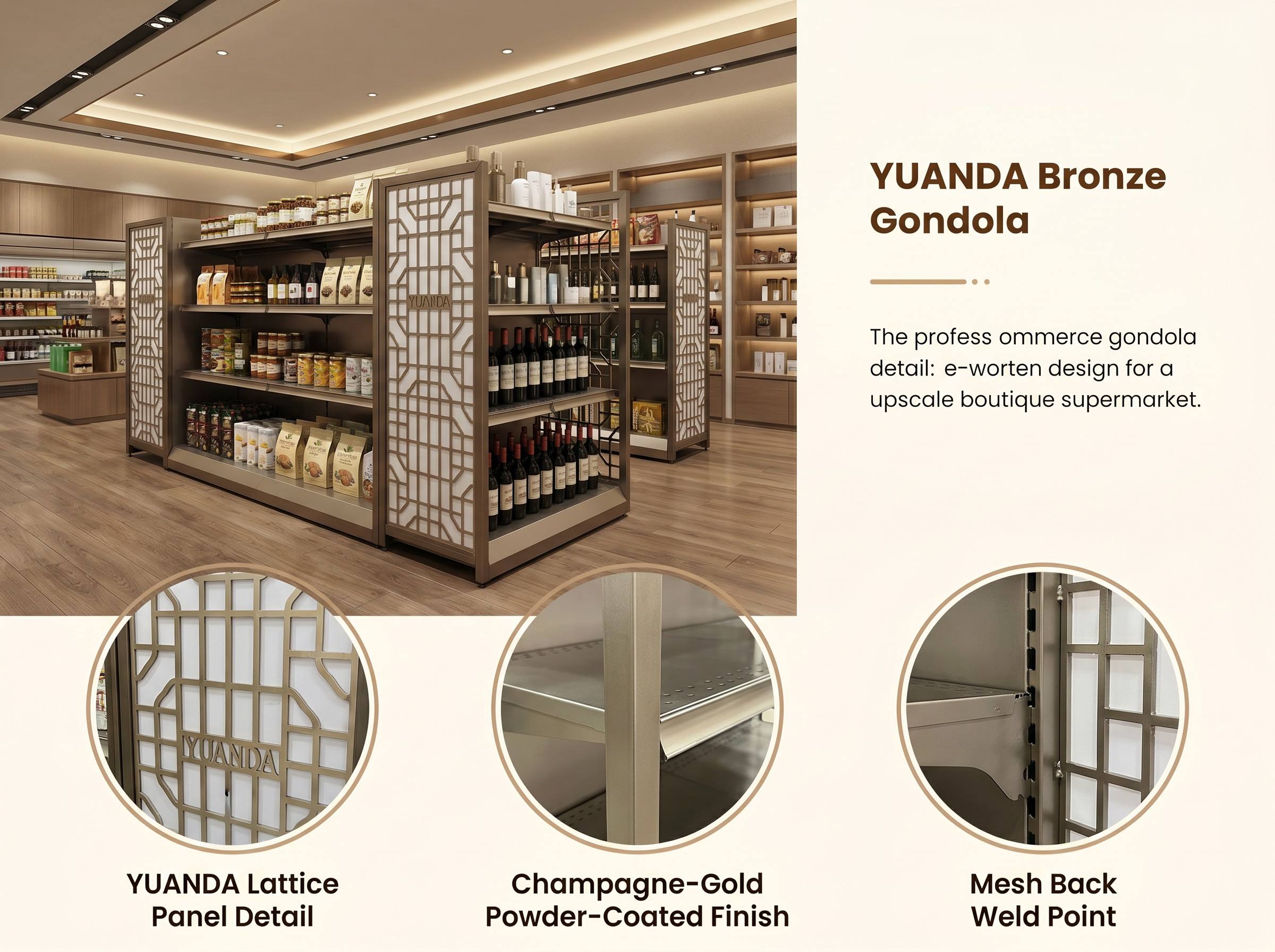
The durability of shelves for retail store environments depends on multiple interconnected factors that directly influence operational efficiency and long-term cost performance. Whether you operate a small specialty shop or a large supermarket, understanding what determines shelf lifespan helps you make informed purchasing decisions and optimize inventory management layouts. Retail shelving systems must withstand constant product rotation, customer handling, restocking activities, and environmental pressures that accumulate over months and years of daily use.
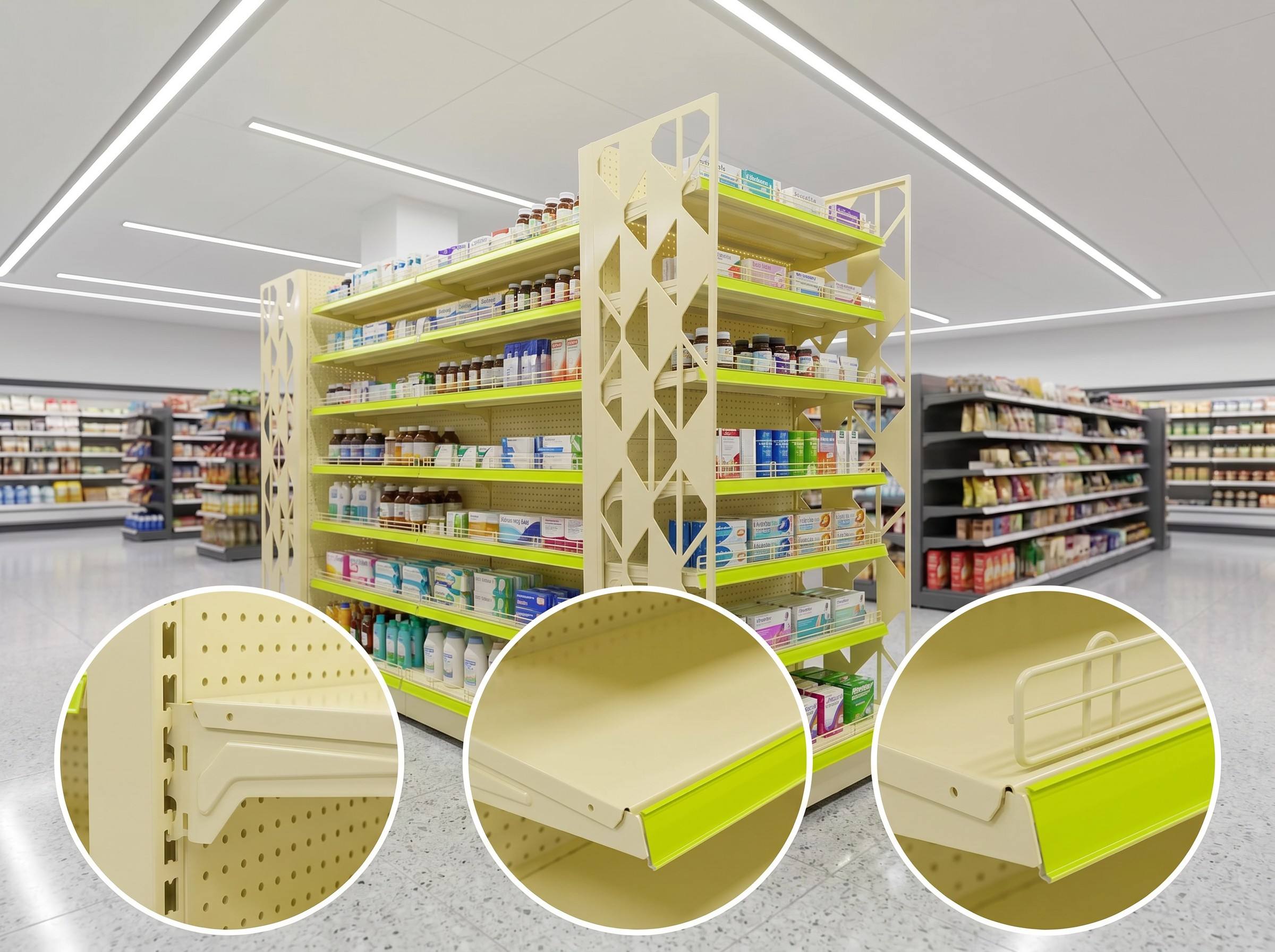
Store shelving solutions represent a significant capital investment for retail operations, and their durability directly affects profitability and customer experience. When commercial display shelves fail prematurely, retailers face unexpected replacement costs, operational disruptions, and potential safety hazards that damage brand reputation. This guide examines the primary durability factors that affect your retail shelving systems performance and helps you select products built to last in demanding retail environments.
Material Composition and Construction Quality
Steel Grade and Finish Protection
The material quality of your shelves for retail store use fundamentally determines how long they resist corrosion, rust, and structural degradation. Commercial display shelves manufactured from cold-rolled steel with proper surface treatments like powder coating or galvanization offer superior durability compared to untreated materials. Heavy-duty warehouse rack construction standards require multiple protective layers that prevent moisture penetration, extend lifespan significantly, and maintain structural integrity through temperature fluctuations and humidity changes common in retail environments.
Welding Standards and Structural Integrity
Professional store shelving solutions employ high-quality welding techniques that create strong joint connections capable of supporting consistent loads without stress fractures or metal fatigue. Poor welding creates hidden weakness points where retail shelving systems eventually fail under normal use conditions. The manufacturing process directly impacts how well commercial display shelves handle daily stresses from product placement, customer interaction, and restocking activities that accumulate damage over extended periods.
Weight Capacity and Load Distribution Design
Rated Load Specifications
Store shelving solutions engineered with appropriate weight capacity ratings ensure that retail shelving systems maintain structural integrity when properly loaded. Overloading commercial display shelves beyond their rated capacity accelerates shelf deterioration, causes permanent deformation, and creates safety risks for both customers and staff. The relationship between actual load weight and rated capacity directly influences how long shelves for retail store environments remain functional and reliable without requiring replacement or repair.
Weight Distribution Mechanisms
Effective weight distribution across shelf surfaces prevents concentrated stress points that compromise durability in commercial display shelves. Premium retail shelving systems incorporate reinforced center supports, beveled edges, and load-spreading designs that distribute product weight evenly throughout the shelf platform. These engineering considerations significantly extend the operational lifespan of store shelving solutions by reducing fatigue stress, preventing warping, and maintaining consistent performance across diverse product categories and seasonal demand fluctuations.
Environmental Factors and Maintenance Requirements
Climate Conditions and Corrosion Prevention
Environmental exposure represents a critical durability factor for shelves for retail store settings, particularly in locations experiencing humidity, temperature swings, or chemical exposure from cleaning products. High-quality retail shelving systems resist corrosion through advanced coating technologies and material selection that withstand harsh retail conditions. Store shelving solutions designed for challenging environments maintain structural integrity longer than basic options, reducing replacement frequency and supporting higher return on investment for retail operations managing demanding atmospheric conditions.
Regular Maintenance and Inspection Protocols
The longevity of commercial display shelves extends substantially when retailers implement consistent maintenance schedules that identify wear early before critical failures occur. Routine inspections catch stress fractures, loose connections, corrosion spots, and alignment issues that, left unaddressed, compromise the structural reliability of retail shelving systems. Professional store shelving solutions paired with preventative maintenance practices maximize shelf lifespan, reduce unexpected downtime costs, and ensure that your investment in shelves for retail store environments delivers sustained performance.
FAQ
How does product weight affect the durability of retail shelving systems?
Excessive product weight beyond rated capacity accelerates structural fatigue in commercial display shelves, causing permanent deformation, stress fractures at connection points, and premature failure. Proper weight distribution across store shelving solutions ensures even stress distribution that extends shelf durability. Retailers should verify product weight limits for their specific shelves for retail store use and avoid overloading to maintain long-term structural integrity and safety compliance.
What maintenance practices extend the life of commercial display shelves?
Regular cleaning with appropriate products, prompt repair of loose bolts or damaged connections, and periodic structural inspections significantly extend the operational lifespan of retail shelving systems. Environmental factors like humidity and temperature fluctuations require store shelving solutions with protective coatings that resist corrosion. Implementing quarterly maintenance checks helps identify issues early, preventing small problems from becoming costly failures that require complete shelf replacement rather than simple repairs.
Which material characteristics make shelves for retail store environments most durable?
Commercial display shelves constructed from high-grade steel with powder-coated or galvanized finishes offer superior durability compared to basic materials. Professional welding standards ensure strong structural connections that withstand repeated loading cycles without developing stress fractures. Retail shelving systems engineered with reinforced supports and proper load-distribution design maintain functionality longer, making quality material selection a critical factor in maximizing your store shelving solutions investment.