 EN

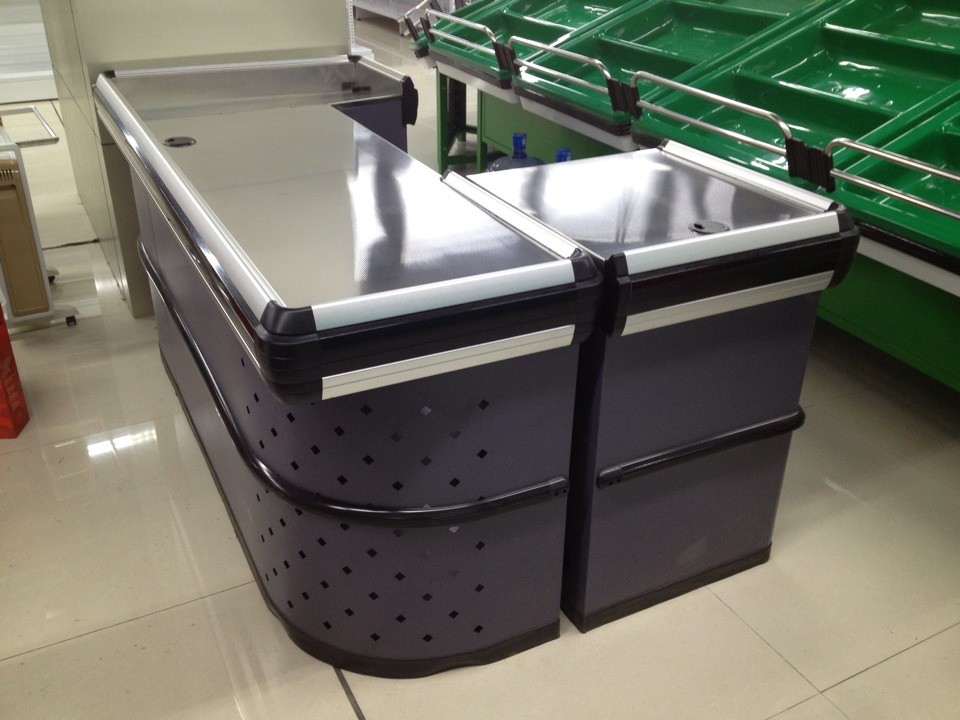
A checkout counter is the physical station where customers complete purchases in retail environments. This dedicated space serves as the final transaction point, combining hardware, software, and human interaction to facilitate smooth payment processing. Understanding the function and design of a checkout counter helps retailers optimize customer experience and operational efficiency.
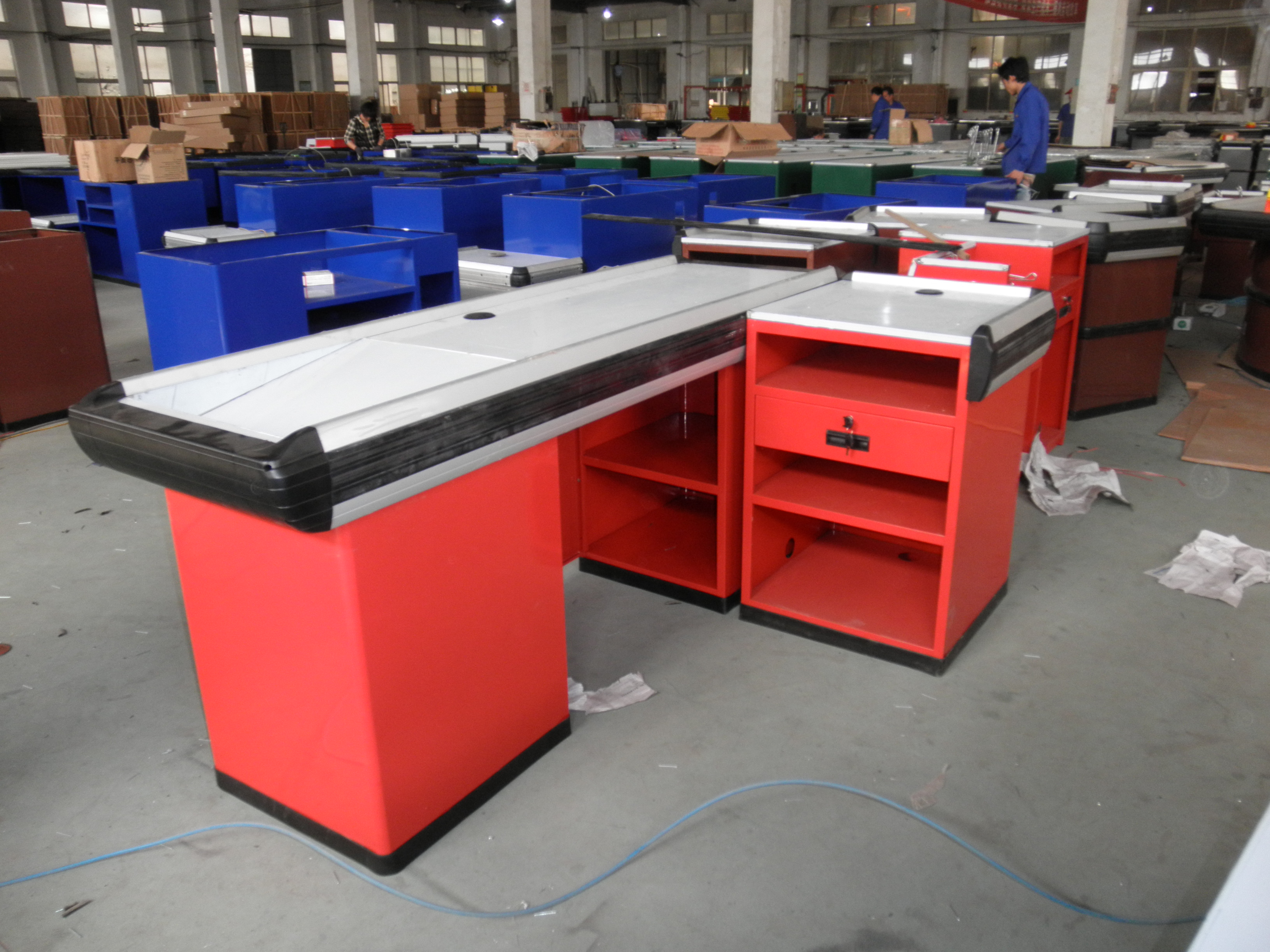
Modern retail operations depend heavily on well-designed point of sale counter systems. Whether integrated into a point of sale counter infrastructure or deployed as a standalone unit, the checkout counter represents a critical touchpoint in the customer journey. Today's retail checkout station must accommodate multiple payment methods, manage inventory data, and provide a welcoming environment that encourages repeat business.
Core Components of a Retail Checkout Station
Physical Structure and Layout
The physical retail checkout station requires careful design to balance functionality with customer comfort. Counter height typically ranges from 36 to 42 inches, allowing ergonomic access for both staff and customers. A well-designed checkout counter incorporates shelving for impulse purchases, card readers, receipt printers, and barcode scanners positioned for efficient workflow. The layout must accommodate customer bags and purchases while maintaining clear sightlines for staff supervision and security.
Effective point of sale counter design includes space for payment terminals, customer displays, and staff-side monitors. Modern retail checkout stations integrate cable management systems to maintain a professional appearance while keeping technology hidden. Surface materials should resist spills and wear, with adequate lighting to display products and facilitate card processing. The physical counter serves both functional and psychological roles, creating a space that feels secure and organized.
Technology Integration
Digital systems form the backbone of every contemporary checkout counter. The point of sale counter connects barcode scanners, payment processors, receipt printers, and inventory management software into a unified system. Advanced retail checkout station technology enables real-time sales tracking, employee performance monitoring, and customer loyalty program integration. These systems automatically calculate totals, apply discounts, and process refunds within seconds.
Security features within the point of sale counter protect both retailers and customers during transactions. Encrypted payment processing ensures credit card information remains confidential. Modern checkout counter systems comply with PCI-DSS standards and include fraud detection algorithms. The integration of self-checkout system technology alongside traditional manned checkout counters provides retailers with operational flexibility during peak hours.
How a Checkout Counter Functions in Daily Operations
Transaction Processing Workflow
When a customer arrives at the checkout counter with items, the transaction process begins with scanning. The point of sale counter reads each barcode, retrieving product information and pricing from the inventory database. Staff enter customer loyalty details or promotional codes at the retail checkout station terminal. The system calculates subtotals, applies taxes or discounts, and presents the final amount on both customer-facing and employee displays.
Payment acceptance represents the critical function of the checkout counter. Customers can choose from multiple payment methods including credit cards, debit cards, mobile wallets, or cash. The point of sale counter securely processes digital payments through encrypted channels. Receipt printing and customer signature capture occur simultaneously, with records automatically stored in the retailer's central system. Modern self-checkout system options allow customers to bypass traditional staffed checkout counters entirely, completing their transactions independently.
Customer Experience and Service Delivery
The checkout counter significantly influences overall customer satisfaction. A well-operated retail checkout station keeps lines moving efficiently while maintaining personal service quality. Staff at the checkout counter greet customers, process payment requests, and handle special requests or returns. The point of sale counter becomes a brand touchpoint where retailers can demonstrate professionalism and build customer relationships through friendly interaction.
Operational efficiency at the checkout counter directly impacts store performance metrics. Faster transaction processing at each checkout counter reduces customer wait times and increases store throughput. Self-checkout system implementations provide additional capacity during peak periods without requiring additional staff. Data collected from the point of sale counter helps retailers identify peak shopping times, popular products, and customer preferences, enabling better inventory and staffing decisions.
Strategic Importance of Checkout Counter Design
Retail Environment Optimization
Strategic positioning of the checkout counter within store layouts influences traffic patterns and purchasing behavior. Retailers place the checkout counter to maximize visibility while creating natural product browsing zones. The point of sale counter location affects store security, loss prevention, and customer flow management. A well-planned retail checkout station layout minimizes bottlenecks and creates separate lanes for express customers and traditional transactions.
Modern retailers balance multiple checkout counter options to serve diverse customer preferences. Traditional staffed checkout counters remain essential for complex transactions, age-restricted items, and personalized service. Self-checkout system stations appeal to time-conscious customers seeking faster transactions. The point of sale counter infrastructure must support both approaches seamlessly, allowing customers to choose their preferred checkout method.
Business Performance and Analytics
Data generated at the checkout counter provides valuable business intelligence. Every transaction processed through the point of sale counter records product details, timing, payment method, and customer information. This data from each retail checkout station feeds into analytics platforms that reveal sales trends, customer segments, and inventory needs. Retailers use checkout counter analytics to optimize staffing schedules, manage stock levels, and refine marketing strategies.
Financial reconciliation depends on accurate checkout counter operations. Daily sales reports from each point of sale counter must match cash, card receipts, and inventory adjustments. Self-checkout system transactions require reconciliation with traditional checkout counter data to ensure accuracy. Retailers use this information to prevent shrinkage, identify training needs, and adjust checkout counter configurations for maximum efficiency.
FAQ
What functions does a checkout counter serve beyond payment processing?
Beyond accepting payments, a checkout counter serves multiple functions including inventory tracking, customer data collection, employee management, and loss prevention. The point of sale counter captures product information, pricing data, and transaction history that inform business decisions. Modern retail checkout stations also process returns, exchanges, and loyalty program enrollments. Staff at the checkout counter can apply promotions, verify customer identification for age-restricted items, and build relationships through personalized service.
How do self-checkout system options differ from traditional manned checkout counters?
Self-checkout system stations allow customers to scan items independently and process payments without staff assistance. Traditional checkout counters require personnel who verify items, process payments, and provide customer service. The point of sale counter infrastructure supporting both methods must integrate seamlessly, sharing inventory data and sales records. Retailers choose combinations of manned and self-checkout options based on store size, customer demographics, and peak traffic patterns. Self-checkout systems reduce labor costs but require monitoring for accuracy and loss prevention.
What should retailers consider when selecting or upgrading a checkout counter system?
Retailers should evaluate transaction volume, payment method requirements, and available space when selecting a point of sale counter system. The retail checkout station must support integration with inventory management, accounting software, and customer relationship management platforms. Hardware durability, vendor support, and upgrade pathways matter for long-term investment value. Consider whether the checkout counter configuration should include traditional manned stations, self-checkout system components, or both. Security features, compliance certifications, and ease of staff training also influence checkout counter selection decisions.