 EN
EN

Modern retail environments demand display solutions that combine structural integrity with visual appeal, making the selection of a reliable back panel shelf manufacturer crucial for retailers seeking to optimize their store layouts. The backbone of effective merchandising lies in robust shelving systems that provide both product support and brand presentation capabilities, with back panel shelf configurations offering unparalleled versatility for contemporary retail spaces.
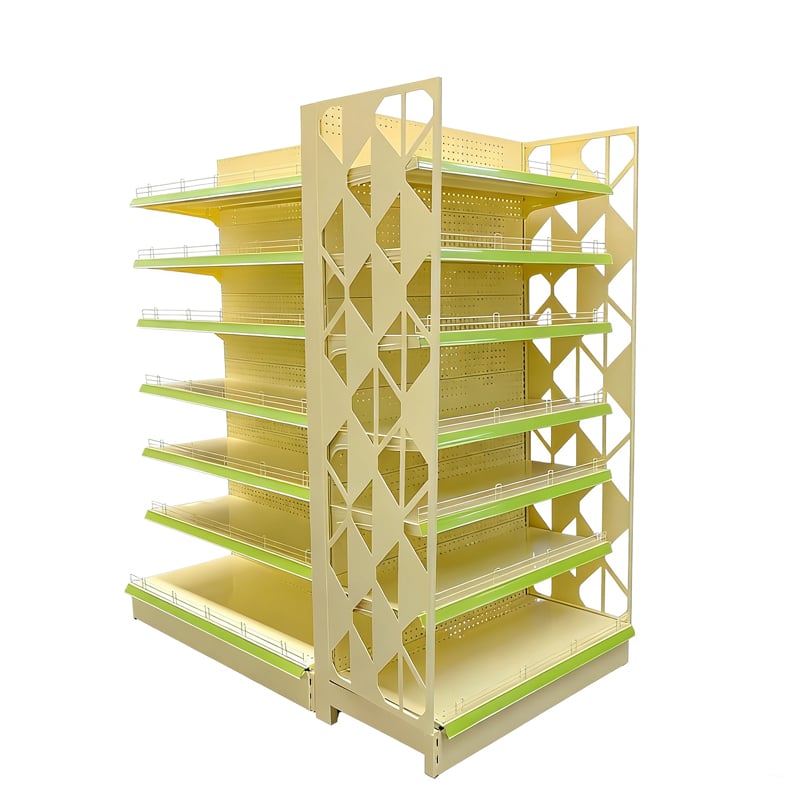
Partnering with an established back panel shelf manufacturer ensures access to engineered solutions that meet the rigorous demands of high-traffic retail environments while maintaining the aesthetic standards required for modern consumer experiences. Professional manufacturers understand the intricate balance between load-bearing capacity, installation efficiency, and design flexibility that defines successful retail display systems.
Manufacturing Excellence in Back Panel Shelf Systems
Advanced Material Engineering Standards
Professional back panel shelf manufacturers employ sophisticated material selection processes that prioritize both durability and cost-effectiveness in their production methodologies. High-grade steel components undergo precision engineering to ensure consistent load distribution across the entire shelving framework, while specialized coating applications provide enhanced corrosion resistance for long-term performance reliability.
The manufacturing process incorporates advanced metallurgy techniques that optimize the strength-to-weight ratio of each back panel shelf component, resulting in structures capable of supporting substantial product loads without compromising installation flexibility. Quality control measures throughout the production cycle ensure dimensional accuracy and surface finish consistency that meets commercial-grade specifications.
Temperature-resistant powder coating systems applied during manufacturing provide superior surface protection while maintaining the visual appeal required for modern retail environments. These protective finishes undergo accelerated aging tests to verify performance under varying environmental conditions, ensuring sustained appearance quality throughout the product lifecycle.
Precision Manufacturing Processes
State-of-the-art manufacturing facilities utilize computer-controlled machinery to achieve precise tolerances in back panel shelf production, ensuring consistent fit and finish across large-scale orders. Automated cutting and forming operations maintain dimensional accuracy while enabling efficient production scaling to meet varying project requirements and delivery timelines.
Quality assurance protocols embedded within the manufacturing workflow include comprehensive testing procedures that verify structural integrity, load capacity, and dimensional compliance for every back panel shelf unit. These systematic quality checks ensure that manufactured components meet or exceed industry standards for commercial retail applications.
Advanced welding techniques employed by experienced manufacturers create seamless joints that distribute stress evenly throughout the back panel shelf structure, eliminating potential failure points while maintaining clean aesthetic lines. Post-production inspection procedures verify weld quality and overall structural integrity before final packaging and shipment.
Design Innovation for Contemporary Retail Spaces
Modular Configuration Capabilities
Leading back panel shelf manufacturers develop modular design systems that accommodate the evolving needs of modern retail environments, providing retailers with flexible display solutions that adapt to changing merchandise categories and seasonal requirements. These modular approaches enable efficient reconfiguration without requiring complete system replacement, offering significant cost advantages for dynamic retail operations.
Standardized connection systems integrated into back panel shelf designs facilitate rapid installation and modification processes, reducing labor costs while minimizing disruption to ongoing retail operations. Professional manufacturers design these connection interfaces to maintain structural integrity across multiple configuration changes, ensuring long-term reliability despite frequent adjustments.
Component interchangeability features allow retailers to mix and match different back panel shelf elements to create customized display configurations that align with specific merchandise presentation strategies. This flexibility enables optimal space utilization while maintaining cohesive visual aesthetics throughout the retail environment.
Aesthetic Integration Solutions
Contemporary back panel shelf manufacturing incorporates design elements that seamlessly integrate with modern retail aesthetics while maintaining functional performance standards. Clean lines, refined finishes, and minimal visual bulk characterize professional-grade systems that enhance rather than detract from merchandise presentation quality.
Color coordination options available from established manufacturers enable retailers to align back panel shelf systems with existing brand colors and interior design schemes. These customization capabilities ensure visual harmony throughout the retail space while maintaining the professional appearance required for customer-facing environments.
Integrated lighting compatibility features designed into modern back panel shelf systems provide enhanced merchandise visibility while reducing installation complexity. Professional manufacturers engineer mounting provisions and cable management solutions that maintain clean appearances while facilitating effective product illumination strategies.
Performance Specifications and Load Capacity
Structural Engineering Requirements
Professional back panel shelf manufacturers conduct comprehensive structural analysis to determine optimal load capacities for various retail applications, ensuring that manufactured systems can safely support expected merchandise weights while maintaining appropriate safety margins. Engineering calculations account for both static loads and dynamic forces encountered during normal retail operations.
Load distribution analysis performed during the design phase ensures that back panel shelf systems transfer weight effectively to supporting structures without creating localized stress concentrations. This engineering approach prevents premature failure while enabling maximum utilization of available load capacity across the entire shelving framework.
Fatigue resistance testing conducted by reputable manufacturers verifies long-term performance under repeated loading cycles that simulate years of normal retail use. These comprehensive evaluations ensure that back panel shelf systems maintain structural integrity despite continuous merchandise placement and removal activities.
Installation and Mounting Specifications
Experienced back panel shelf manufacturers provide detailed installation specifications that ensure proper mounting and optimal performance of their shelving systems. These guidelines include specific fastener requirements, spacing tolerances, and structural support recommendations that maximize system reliability while simplifying installation procedures.
Pre-engineered mounting systems developed by professional manufacturers streamline installation processes while ensuring consistent assembly quality across multiple locations. Standardized hardware packages include all necessary components along with clear installation instructions that minimize potential assembly errors.
Wall attachment specifications provided by qualified manufacturers account for various wall construction types and loading conditions commonly encountered in retail environments. These comprehensive guidelines ensure proper system anchoring while maintaining compliance with applicable building codes and safety regulations.
Quality Assurance and Manufacturing Standards
Industry Certification and Compliance
Reputable back panel shelf manufacturers maintain rigorous quality management systems that comply with internationally recognized manufacturing standards, ensuring consistent product quality and performance reliability. These certification processes involve regular audits and continuous improvement initiatives that enhance manufacturing capabilities while maintaining cost-effectiveness.
Safety compliance testing performed by certified laboratories verifies that manufactured back panel shelf systems meet applicable safety standards for commercial retail applications. These comprehensive evaluations include load testing, material analysis, and environmental performance assessments that validate product suitability for intended applications.
Documentation provided by professional manufacturers includes detailed specification sheets, installation guides, and maintenance recommendations that support proper system implementation and long-term performance optimization. This comprehensive technical support ensures successful project outcomes while minimizing potential installation or operational issues.
Supply Chain and Production Reliability
Established back panel shelf manufacturers maintain robust supply chain relationships that ensure consistent material availability and production scheduling reliability. These strategic partnerships enable predictable delivery timelines while maintaining quality standards throughout periods of varying demand intensity.
Production capacity planning implemented by experienced manufacturers accommodates both standard orders and large-scale retail rollout requirements without compromising quality or delivery performance. Flexible manufacturing systems enable efficient scaling to meet project-specific timelines while maintaining consistent back panel shelf quality across all production runs.
Inventory management systems utilized by professional manufacturers ensure availability of standard back panel shelf configurations while maintaining the flexibility to accommodate custom requirements. These sophisticated planning approaches minimize lead times while ensuring adequate stock levels for immediate delivery requirements.
FAQ
What load capacity should I expect from professional back panel shelf systems?
Professional back panel shelf systems typically support between 150-300 pounds per shelf level when properly installed, with exact capacities varying based on shelf width, mounting configuration, and wall attachment methods. Qualified manufacturers provide detailed load specifications for each system configuration, ensuring appropriate selection for specific merchandise requirements and safety compliance.
How do I verify the quality of a back panel shelf manufacturer?
Quality verification involves reviewing manufacturer certifications, examining sample products for finish quality and dimensional accuracy, and evaluating technical documentation completeness. Reputable manufacturers provide detailed specifications, installation guides, and quality certifications while offering references from similar retail projects to demonstrate proven performance capabilities.
What customization options are available for back panel shelf systems?
Professional manufacturers typically offer color matching, dimensional modifications, and specialized mounting configurations to accommodate specific retail requirements. Custom powder coating options, integrated lighting provisions, and specialized bracket designs enable tailored solutions while maintaining structural integrity and manufacturing cost-effectiveness for project-specific applications.
How long does manufacturing and delivery typically take for back panel shelf orders?
Standard back panel shelf configurations typically require 2-4 weeks for manufacturing and delivery, while custom specifications may extend timelines to 4-6 weeks depending on complexity and current production schedules. Experienced manufacturers provide detailed project timelines during the quoting process, enabling accurate planning for retail opening schedules and installation coordination requirements.