 EN
EN

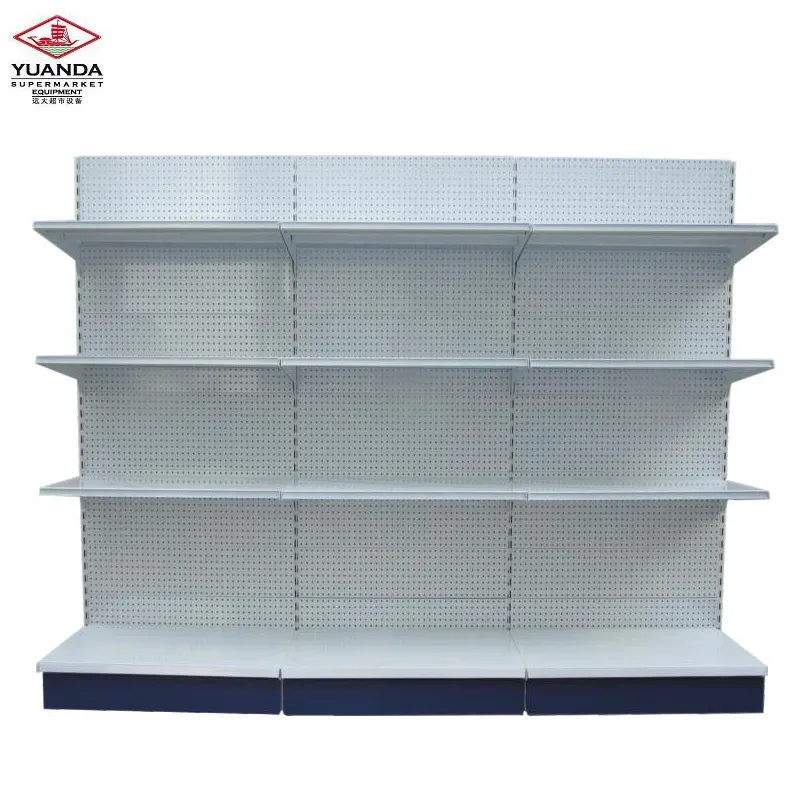
The Science Behind Retail Shelf Placement and Customer Engagement
In the competitive world of retail, every detail matters when it comes to influencing consumer purchasing decisions. Among these crucial elements, shelving height emerges as a pivotal factor that can make the difference between a product catching a customer's eye or remaining overlooked. Understanding the relationship between shelving height and product visibility isn't just about placing items on shelves—it's about creating an optimal shopping experience that drives sales and customer satisfaction.
Research has consistently shown that products placed at eye level receive significantly more attention and generate higher sales compared to those positioned above or below this prime zone. This fundamental principle of retail merchandising has shaped how stores arrange their products and influences the success of countless retail operations worldwide.
Strategic Shelf Positioning for Maximum Impact
The Golden Zone Principle
The concept of the golden zone in retail refers to the optimal shelving height range between 4 and 5 feet from the floor. This zone naturally aligns with the average adult's eye level and represents the area where products receive the most visual attention. Products positioned within this zone typically experience 35% higher sales compared to identical items placed on higher or lower shelves.
Understanding and utilizing the golden zone effectively requires careful consideration of your target demographic. For instance, stores catering to children might adjust their shelving height to accommodate their younger customers' eye level, typically placing popular items between 2 and 4 feet from the floor.
Vertical Merchandising Strategies
Effective vertical merchandising involves arranging products from top to bottom in a way that maximizes visibility and accessibility. The top shelf, while above eye level, can still be effective for lighter, bulkier items or products with strong brand recognition. Middle shelves, corresponding to the golden zone, should showcase your highest-margin items and new products.
Lower shelves, while less immediately visible, play a crucial role in the overall merchandising strategy. They're ideal for heavier items, bulk products, and value-oriented merchandise. This strategic approach to shelving height ensures that products are not only visible but also practically accessible to customers.
Psychological Impact of Product Placement
Visual Processing and Consumer Behavior
The human brain processes visual information in predictable patterns, and understanding these patterns is crucial for optimal shelf placement. Studies in consumer psychology reveal that shoppers typically scan shelves from left to right and top to bottom, similar to reading patterns. This natural behavior influences how different shelving heights affect product discovery and selection.
When products are placed at optimal shelving heights, customers experience less physical and mental strain while shopping, leading to longer browsing times and increased purchase likelihood. This psychological comfort factor plays a significant role in the overall shopping experience and subsequent buying decisions.
Brand Perception and Shelf Position
The relationship between shelving height and brand perception is particularly fascinating. Premium products placed at eye level often reinforce their high-end positioning, while value brands might benefit from lower shelf placement that aligns with their cost-conscious messaging. This vertical positioning strategy can significantly impact how consumers perceive product quality and value.
Retailers must carefully consider how shelving height affects brand storytelling and product positioning. The visual hierarchy created by different shelf levels can either enhance or diminish a brand's intended market positioning.
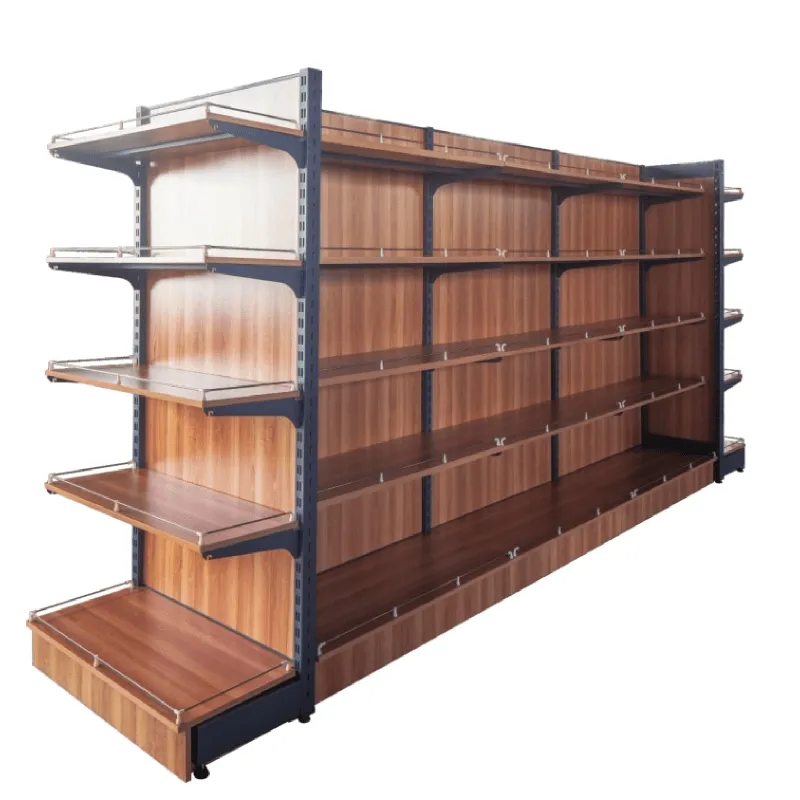
Optimizing Shelf Space for Different Store Formats
Custom Solutions for Varying Store Layouts
Different retail environments require unique approaches to shelving height optimization. Convenience stores, with their typically smaller footprint, must maximize limited vertical space while ensuring products remain easily accessible. Supermarkets and department stores, with their broader aisles and higher ceilings, can experiment with more dramatic height variations to create visual interest and improve product visibility.
The key is to balance the practical constraints of your space with the principles of effective product visibility. This might mean adjusting standard shelving height recommendations to accommodate specific store characteristics while maintaining the core principles of eye-level prominence.
Digital Integration and Smart Shelving
Modern retail is increasingly incorporating technology into shelving solutions. Digital shelf labels and smart sensors can help track how shelving height affects product performance in real-time. This data-driven approach allows retailers to make more informed decisions about product placement and adjust their strategies based on concrete performance metrics.
The future of retail shelving will likely see even greater integration of technology, with augmented reality and digital displays enhancing product visibility regardless of physical shelf position. However, the fundamental principles of optimal shelving height will remain crucial to the success of physical retail spaces.
Frequently Asked Questions
What is the ideal shelf height for maximum product visibility?
The ideal shelf height for maximum product visibility typically falls between 4 and 5 feet from the floor, aligning with average adult eye level. This zone, often called the 'golden zone,' typically generates the highest sales and customer engagement rates.
How does shelving height affect sales performance?
Shelving height significantly impacts sales performance, with products at eye level selling up to 35% better than those placed on very high or low shelves. This effect is due to improved visibility, easier access, and reduced physical effort required from shoppers.
Should luxury products always be placed at eye level?
While eye-level placement is generally advantageous, luxury products can benefit from slightly above eye-level placement in some cases. This positioning can enhance the premium perception of the product while still maintaining good visibility. However, the specific placement should be tested and adjusted based on your target market and store layout.