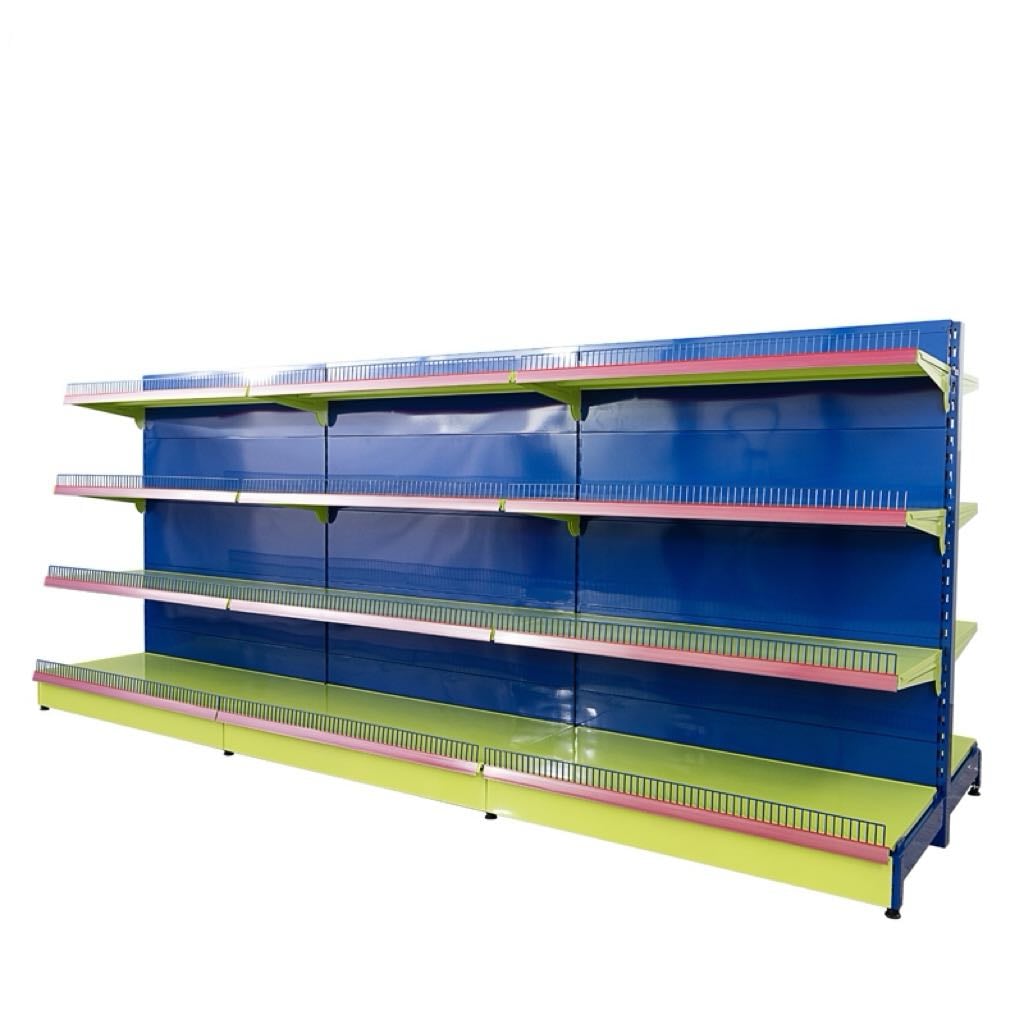
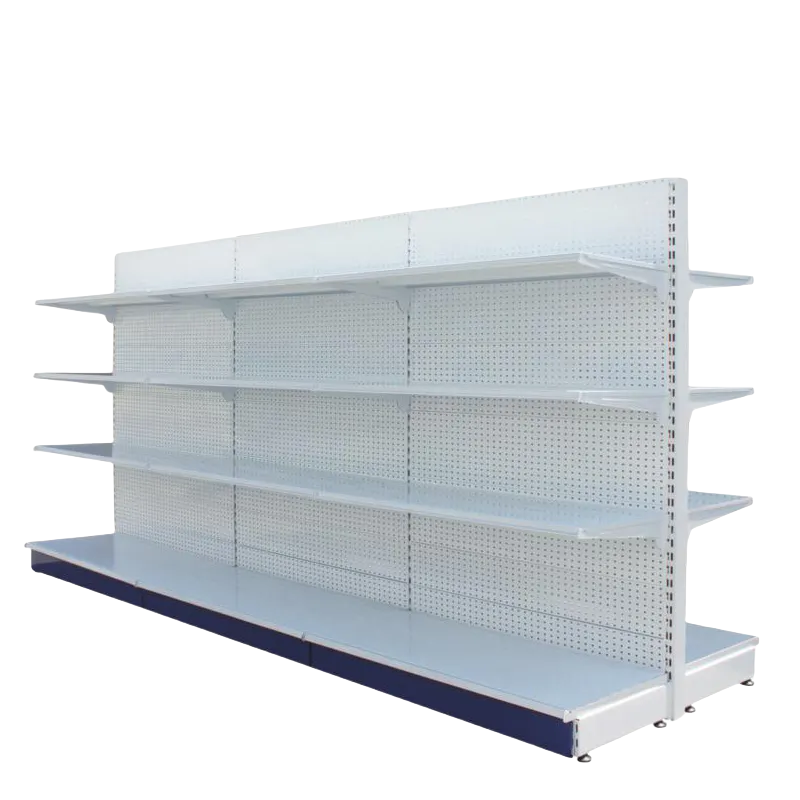
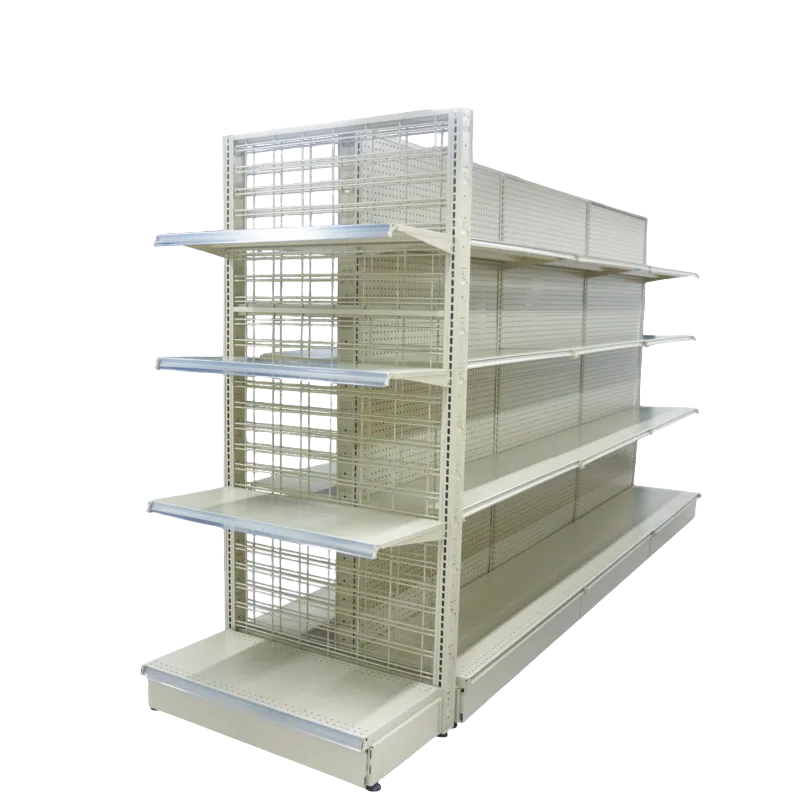
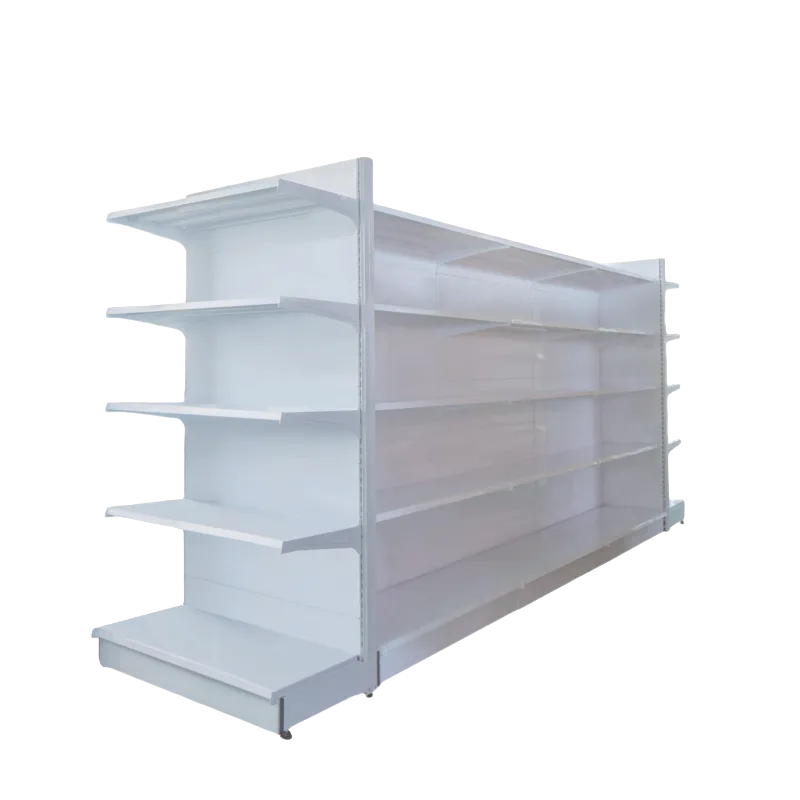
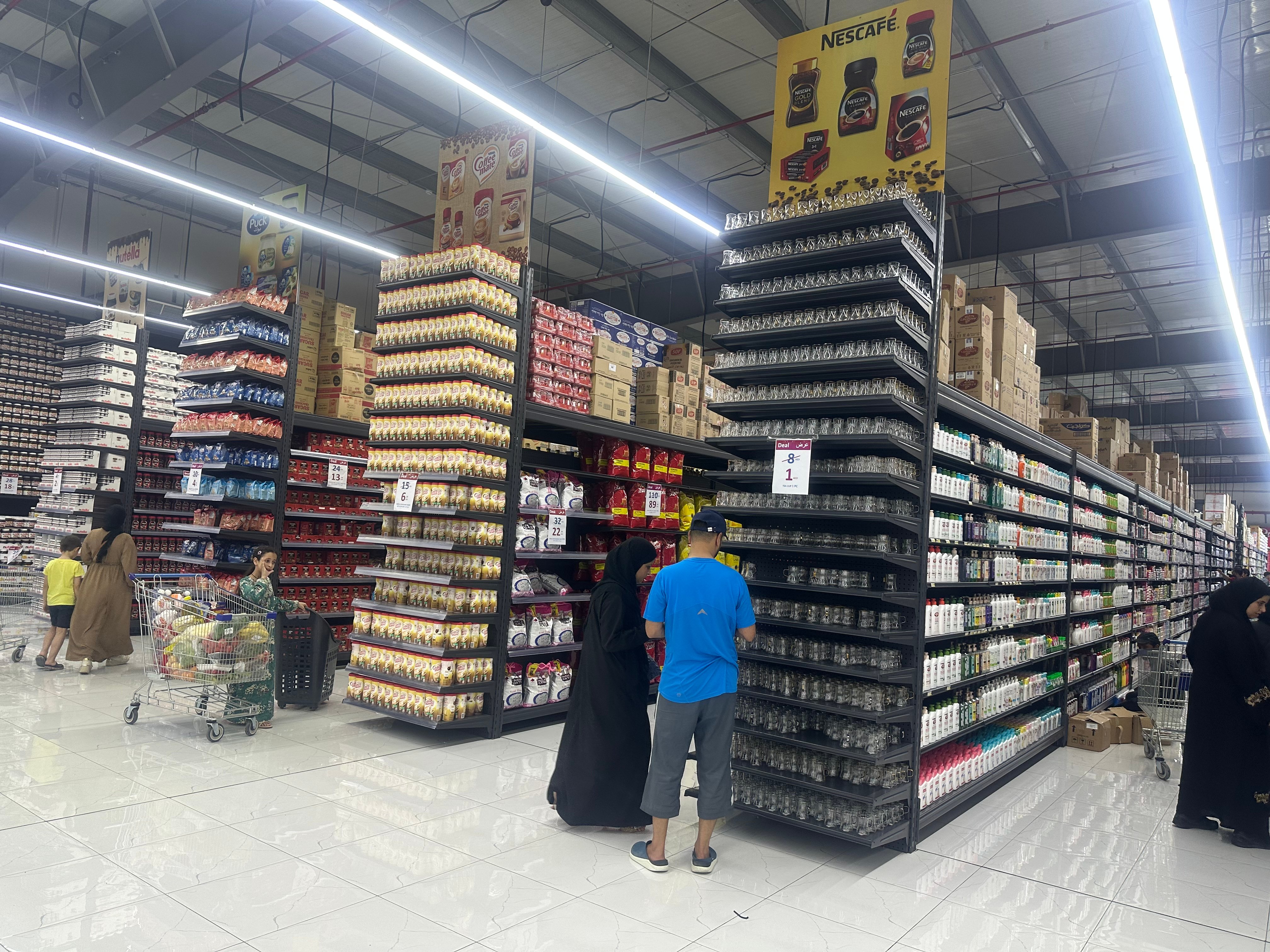
grocery store shelf design
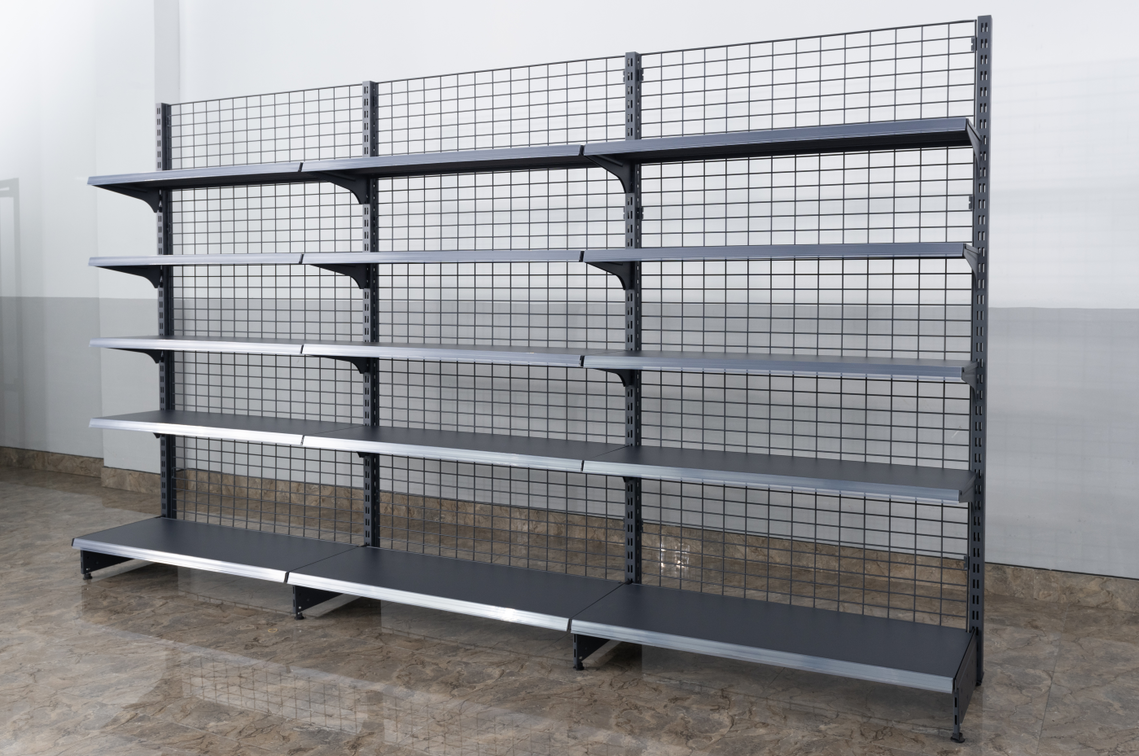
Grocery store shelf design represents a fundamental element of modern retail environments, directly impacting how customers interact with products and make purchasing decisions. The grocery store shelf design encompasses strategic planning, spatial organization, and product visibility optimization to create an effective shopping experience. Modern grocery store shelf design integrates multiple functional purposes, including maximizing storage capacity, enhancing product accessibility, and creating attractive visual presentations that influence consumer behavior.
The primary function of grocery store shelf design involves organizing merchandise systematically while maintaining clear sightlines and easy navigation. Effective grocery store shelf design allows retailers to display products at eye level, within arm's reach, and organized by category, reducing customer search time and frustration. Contemporary grocery store shelf design incorporates adjustable shelving systems, modular components, and flexible configurations that adapt to changing inventory needs and seasonal promotions.
Technological features in modern grocery store shelf design include smart shelving systems with integrated lighting, digital price tags, and inventory management capabilities. These innovations transform traditional grocery store shelf design into intelligent retail solutions that track stock levels in real-time, reduce pricing errors, and optimize shelf space utilization. Advanced grocery store shelf design systems employ data analytics to determine optimal product placement, improving both customer satisfaction and sales performance. The integration of these technologies represents a significant evolution in how retailers approach grocery store shelf design for maximum operational efficiency and customer engagement.
 EN
EN